New Huanggang Port Opens with Maxvision's Next-Generation Joint Inspection Systems
SHENZHEN, China, Oct. 12, 2026 — The rebuilt Huanggang Port opened at 6:30 a.m. on October 12, introducing a joint immigration inspection process designed to streamline travel between Shenzhen and Hong Kong. Maxvision supplied next-generation inspection equipment and AI-powered systems to support passenger clearance, customs operations and cross-border vehicle checks.
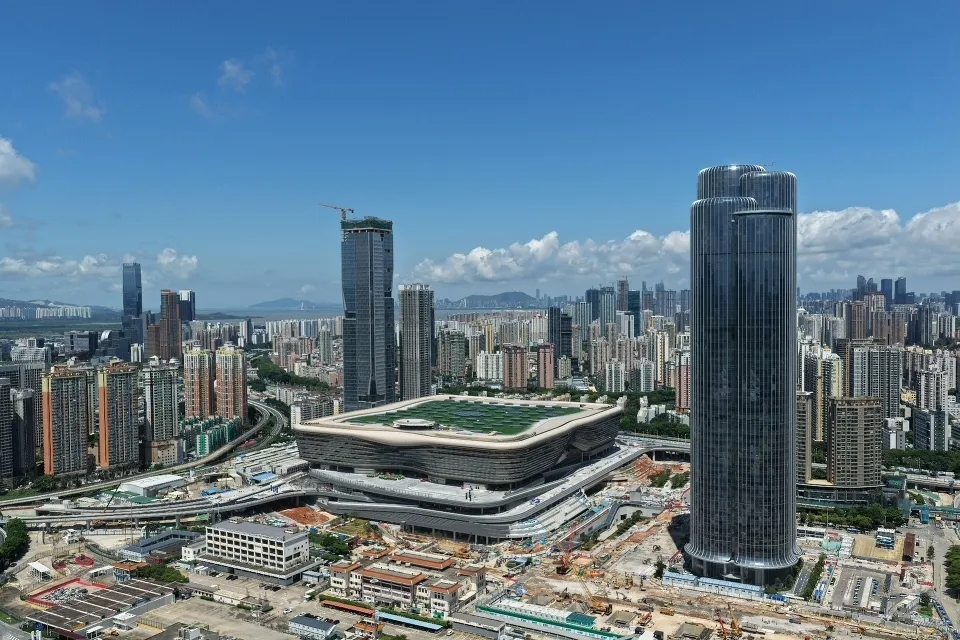
——Photo credit: Shenzhen Port Authority’s official account
The crossing is the first between Shenzhen and Hong Kong to adopt the “collaborative inspection, joint clearance” model, bringing the two sides’ immigration procedures together in a coordinated process.
Covering approximately 690,000 square meters, the new complex is the world’s largest single-building land border crossing. It replaces a facility that served travelers for more than three decades and was China’s first major land crossing to offer round-the-clock clearance. Reconstruction began in 2019.
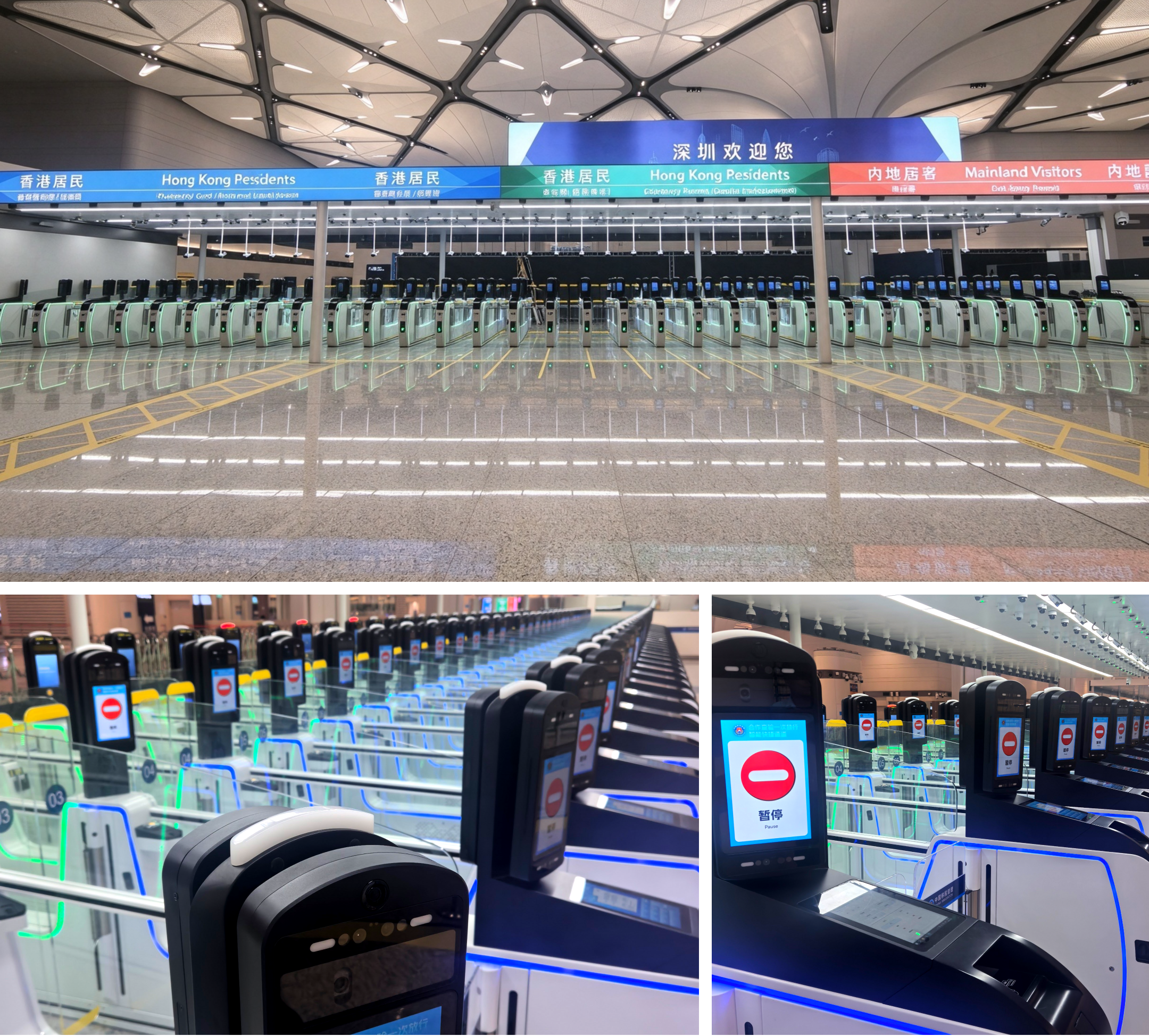
Dedicated to passenger traffic, the new crossing has 134 automated joint inspection e-gates, 68 staffed inspection counters and 28 joint vehicle inspection lanes. It is designed to handle 200,000 passenger crossings a day initially, with a longer-term peak capacity of 300,000, alongside an average of 15,000 vehicle crossings daily.
Joint Inspection Designed Around the Passenger
Introducing automated joint inspection between Shenzhen and Hong Kong required Maxvision to develop, manufacture, install and commission a large number of e-gates within a compressed schedule. The company worked closely with border inspection authorities on both sides throughout development and delivery, completing multiple rounds of intensive stress testing before the opening.
The new e-gates feature a streamlined design with integrated displays that adjust automatically to accommodate travelers of different heights. All core components are domestically sourced.
Facial and iris recognition support document-free clearance for eligible travelers, while spatial detection algorithms monitor the passage area to identify potential tailgating. The equipment also supports bidirectional operation and additional inspection functions, providing flexibility for future operational requirements.
Multilingual Support at the Inspection Counter
With Shenzhen preparing to host the 33rd APEC Economic Leaders’ Meeting in November, services for international travelers have also been upgraded.
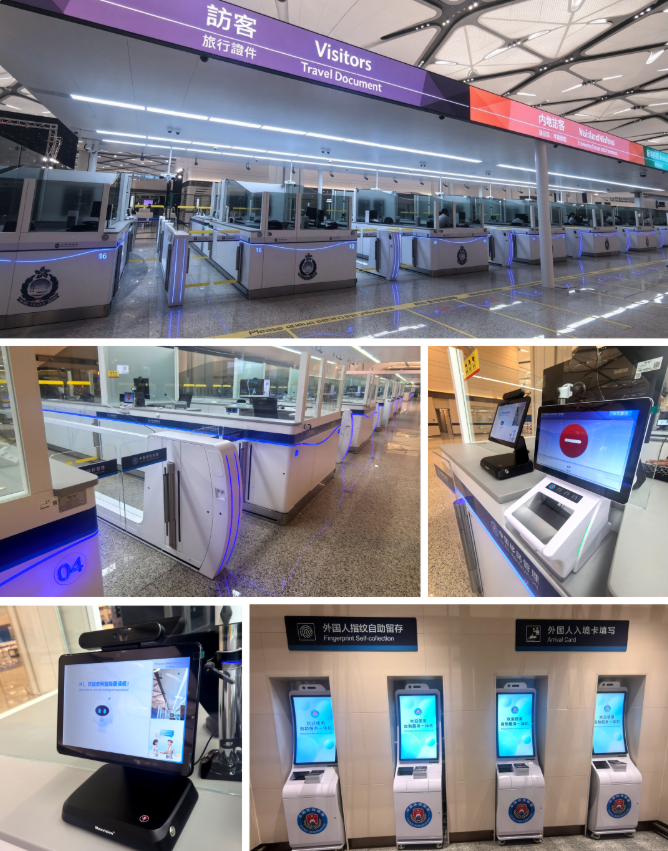
Staffed inspection counters feature Maxvision’s latest biometric capture terminals and an offline multimodal translation solution. Multifunction self-service terminals support fingerprint registration and arrival-card completion for foreign travelers.
The translation system supports around 100 languages and runs on a locally deployed end-to-end AI model, allowing it to operate without a public internet connection. Cameras and microphone arrays work together to track the speaker’s gaze, locate their voice and distinguish speakers through voice recognition.
The system provides responsive, natural translation during document checks and biometric collection, while keeping processing local to protect sensitive information.
AI-Assisted Customs Inspection
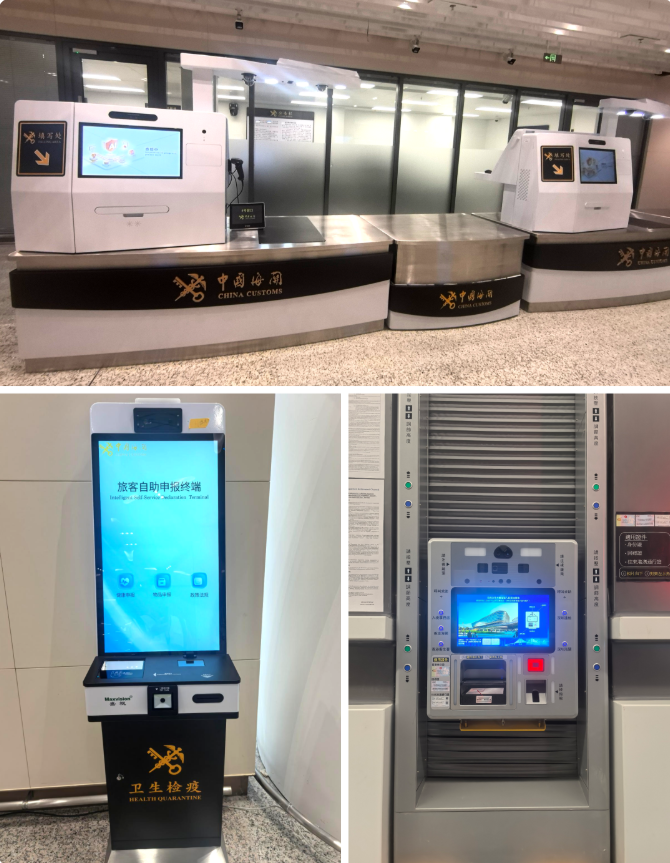
Maxvision also helped develop a suite of AI applications for customs operations. Built on its AI computing engine, the solution combines a knowledge management platform with a customs AI assistant and specialized agents for supervision, non-trade goods, declaration review, tariffs, risk management, free trade and audit functions.
The applications help officers access specialist knowledge, assess cases and identify risks during enforcement.
For Huanggang Customs, Maxvision developed a passenger inspection module within a dedicated platform for managing non-trade goods. Smart glasses connected to the back-end risk management platform help officers identify travelers flagged for further inspection. AI-assisted inspection counters support item classification, tax and duty calculations, and decisions on how goods should be handled.
Vehicle screening combines facial recognition and vehicle trunk recognition with passenger vehicle and driver records. Connected to automated checkpoints, these capabilities support risk alerts and targeted interception of vehicles and occupants.
The system also connects with passenger e-gates and infrared temperature screening equipment to identify elevated temperatures and trigger alerts for follow-up checks. Together, these applications support customs passenger inspection, vehicle clearance and health screening across the crossing.
Supporting a Major Greater Bay Area Gateway
The opening of the New Huanggang Port adds substantial passenger capacity to one of the Greater Bay Area’s key cross-border gateways.
Drawing on nearly three decades of experience in smart border infrastructure, Maxvision’s deployment supports the crossing’s long-term capacity plans while connecting passenger services, inspection equipment and operational systems. The project is designed to help authorities manage growing cross-border demand with more efficient clearance, coordinated oversight and a better travel experience.