New Yalu River Bridge Opens with Maxvision's Integrated Border Inspection Systems
DANDONG, China, Oct. 15, 2026 — The New Yalu River Bridge between China and North Korea officially opened on Thursday, with an integrated suite of Maxvision inspection and management systems supporting passenger, vehicle and cargo clearance at the new road crossing.
As the overall solutions provider for the crossing's inspection systems and digital infrastructure, Maxvision brought together automated screening equipment, identification technologies and operational management platforms. The deployment connects inspection processes across the facility, helping customs, immigration authorities and the crossing's operator coordinate checks and manage traffic more efficiently.
The bridge provides an additional link for trade and travel between the two countries. Its opening also brings Maxvision's systems into regular service following extensive integration work, cold-weather adaptations and joint acceptance testing.
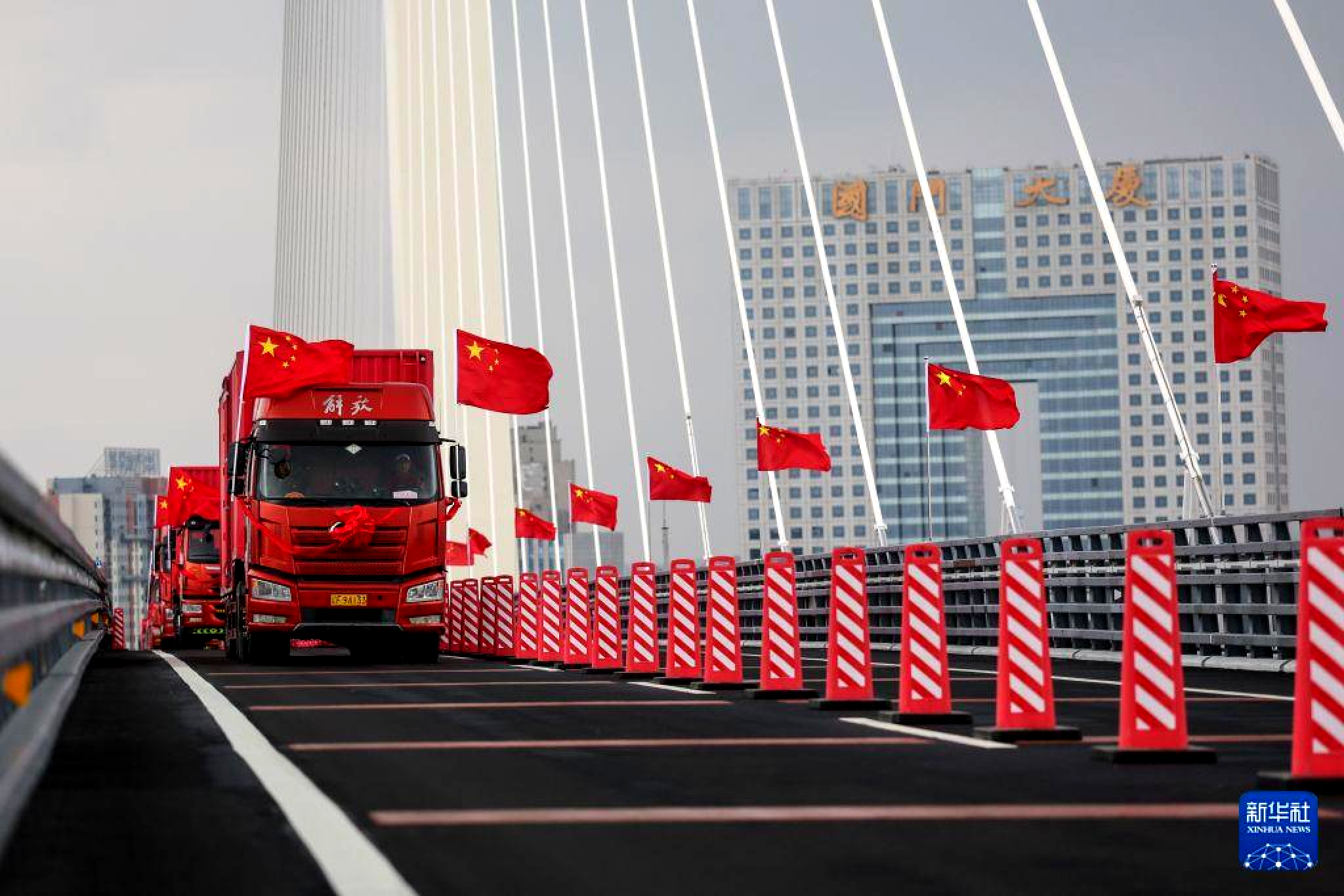
The New Yalu River Bridge linking China and North Korea opens on Oct. 15, 2026. Photo: Pan Yulong/Xinhua
Connecting the Clearance Process
The crossing incorporates a passenger inspection hall, dedicated lanes for freight and passenger vehicles, and supporting inspection facilities. Maxvision developed the solution around the distinct responsibilities of the agencies operating at the site, while connecting their workflows through shared systems.
Passenger Screening
In the passenger hall, Maxvision deployed customs inspection systems, quarantine and multifunction inspection counters, expedited clearance e-Gates, integrated temperature screening and identity verification terminals, and baggage screening systems.
The equipment connects temperature checks, identity verification and baggage inspection within the passenger clearance process. This coordination helps reduce delays between checks and supports a smoother journey through the crossing.
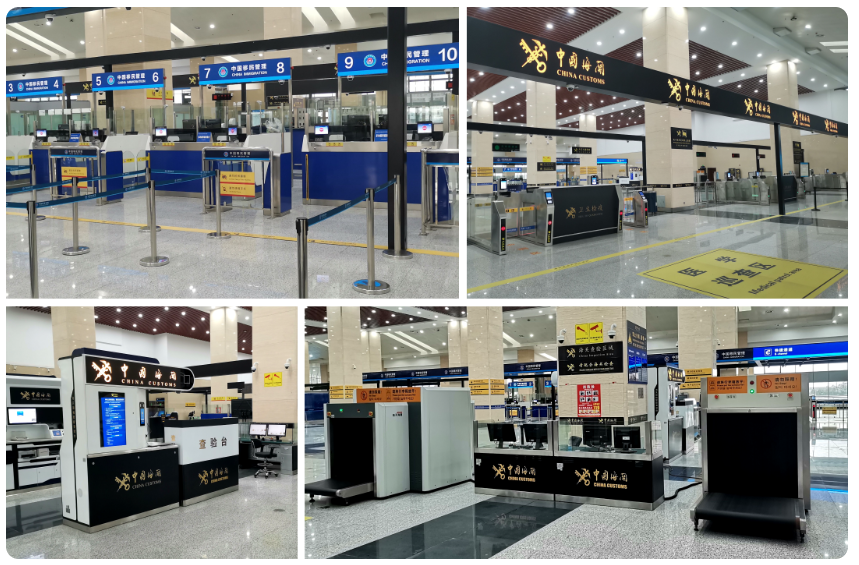
A view of the road border crossing at the New Yalu River Bridge in Dandong, China. Photo: Maxvision
Vehicle and Cargo Inspection
Freight and passenger vehicle lanes combine foreign license plate recognition, under-vehicle scanning, electronic vehicle identification and non-intrusive cargo inspection with Maxvision's one-stop vehicle clearance system.
The arrangement allows multiple checks to be coordinated during a single stop, supporting accurate vehicle identification and faster processing of cross-border traffic.
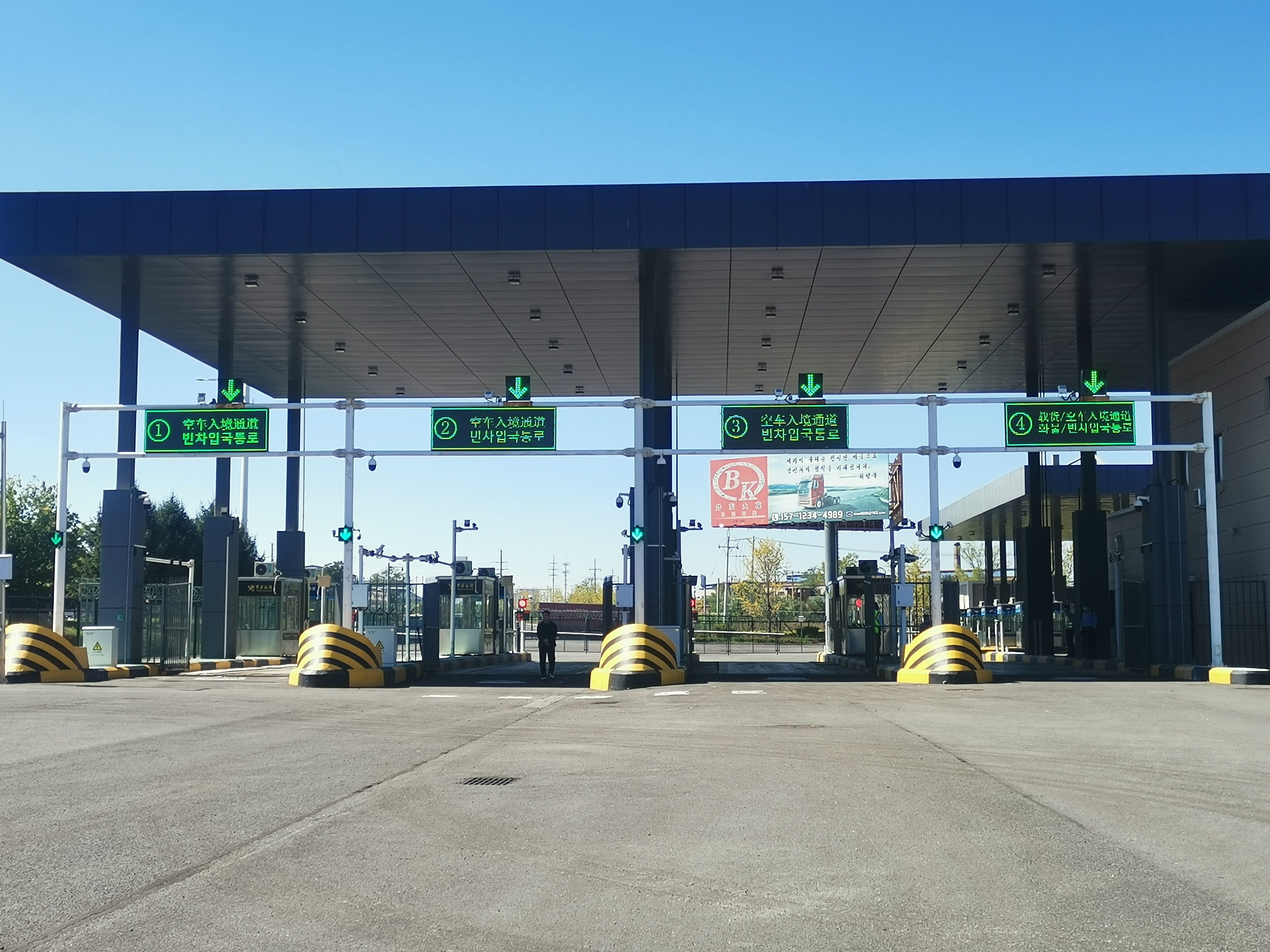
A view of the road border crossing at the New Yalu River Bridge in Dandong, China. Photo: Maxvision
Operational Oversight
Integrated customs and immigration management platforms give authorities a consolidated view of activity across the crossing. These are supported by facility management and oversized baggage handling systems, alongside AI-powered video analytics.
Together, the systems help operators monitor conditions, identify potential irregularities and coordinate responses across agencies.
Built for Border Conditions
The project required reliable outdoor equipment, extensive system integration and close coordination among the authorities responsible for the crossing.
To prepare equipment for northeastern China's severe winters, Maxvision's engineers adapted outdoor and vehicle-lane hardware for extreme cold and conducted durability testing. Particular attention went to preserving the accuracy and stability of optical recognition equipment and sensors exposed to low temperatures, strong winds and dust.
The team also worked with Dandong Customs, the Dandong Immigration Inspection Station and the local port administration on repeated operational simulations and load tests. These exercises covered the complete clearance process, including system responsiveness, secure data exchange and the logic governing individual inspection steps.
The systems passed the national-level joint acceptance inspection and ran without faults on the crossing's opening day.
Supporting Trade and Travel
Dandong is China's largest border gateway to North Korea and a major hub for bilateral trade and passenger travel. The new bridge adds capacity and connectivity, while the accompanying inspection infrastructure supports the day-to-day demands of managing a modern border crossing.
For Maxvision, the project demonstrates how AI, connected inspection equipment and integrated management platforms can work together in a demanding operational setting. It also represents a further contribution to cross-border infrastructure development under the Belt and Road Initiative.
With the crossing now operational, Maxvision has moved into ongoing technical support, helping maintain reliable inspection services for the passengers, vehicles and cargo using the new route.